

 By Sopheapp N.
Spend days one to three in Phnom Penh for the Royal Palace area, National Museum, markets and one carefully paced day engaging with Cambodia’s modern history. Keep at least one unscheduled evening for the riverside or contemporary arts.
Use days four and five for Battambang’s food, architecture and creative scene, then travel to Siem Reap for days six to ten. Divide Angkor across two or three mornings rather than attempting every major temple in one exhausting circuit.
Finish with Kampot and Kep on days eleven to fourteen for pepper farms, river landscapes, food and coastal time. If transfers feel too long, omit one region instead of reducing every stop to a single night.
Travel times and services change, especially in rain. Confirm each leg locally and use the Ministry of Tourism province directory for official destination context: https://tourismcambodia.org/public/index.php/provinces.
Days 1–3: Phnom Penh
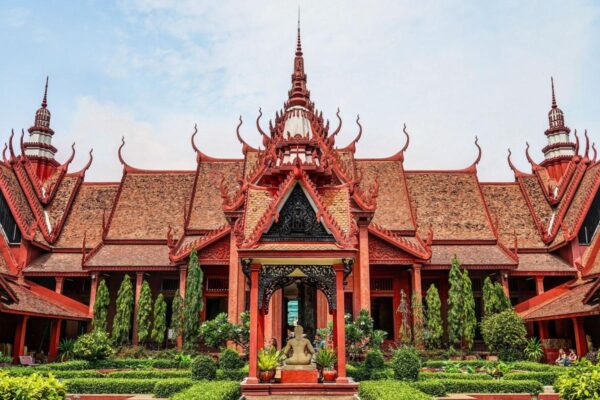
Use the first day for a gentle riverside and neighbourhood introduction rather than scheduling a major memorial visit after a long flight. Pair the National Museum and Royal Palace area on another day. Give Tuol Sleng and Choeung Ek their own thoughtful block of time, then choose a quiet evening rather than treating emotionally demanding sites as boxes to tick.
Days 4–5: Battambang
Travel to Battambang for markets, food and its creative community. One full day can combine architecture, countryside and a carefully chosen cultural activity, but avoid stacking distant attractions. The city’s UNESCO gastronomy designation makes a market walk or locally guided food experience as meaningful as a viewpoint.
Days 6–10: Siem Reap and Angkor
Plan a main Angkor circuit, a second temple day and at least one day for contemporary Siem Reap, craft, food or Tonle Sap. Separate sunrise from the longest temple route if heat is difficult. Check ticket rules, use licensed guides where possible and leave room to revisit a temple that genuinely interests you.
Days 11–14: Kampot and Kep
End with a slower southern rhythm: Kampot’s river and pepper landscape, then Kep’s coast and food. Weather may affect boats and rural roads. If the return flight leaves Phnom Penh early, spend the final night in or near the capital rather than trusting a same-day long transfer.
Budgeting time, not only money
Every hotel change consumes packing, checkout, transfer and orientation time. Two nights often provides only one usable full day, so protect longer stays in Phnom Penh and Siem Reap. Choose daytime transfers when scenery or road awareness matters, and keep one flexible block for weather, fatigue or a recommendation discovered locally. A successful itinerary is measured by meaningful hours, not the number of province names collected.
Booking strategy
Reserve the first nights, major flights and high-demand festival dates in advance, then decide how much flexibility the season allows. Confirm long transfers directly a day before departure and save the operator’s contact. Avoid buying every tour before arrival; local guides may offer better context and realistic timing. Nevertheless, community homestays and specialist wildlife experiences often require notice because they cannot staff themselves like city hotels.
Adapting the route
Families may replace one transfer with a rest day; food-focused travelers may add Battambang; heritage specialists may trade the coast for Preah Vihear or Sambor Prei Kuk; nature travelers may choose Kratie and Mondulkiri instead of Kampot. Keep the route geographically coherent. Removing a destination is usually better than compressing meals, sleep and cultural visits until the trip becomes an endurance exercise.

